Long story short
Wind turbines have become impossible to ignore in the news and in the landscape, but most discussions focus on the giant models out at sea. For smaller businesses and in rural areas too, wind energy is becoming more attractive, provided a small-scale turbine meets a whole set of requirements: generate enough energy, stay affordable, be simple, and comply with regulations. For a farmer or small business, such a turbine also has to pay for itself, otherwise it stays an idea. A Flemish wind turbine manufacturer wanted to combine exactly that.


What does this mean for you?
Does your product also need to meet a set of requirements that partly contradict each other, for example more output versus a simpler, cheaper design? CTRL engineering builds a digital twin of the full system, so those trade-offs get made virtually before you build a prototype.
The challenge
A compact turbine needed to deliver usable energy even at low average wind speeds, stay affordable for the end user, offer a competitive return on investment, and be easy to understand in practice before a prototype was ever invested in. Generating more energy normally requires a more complex and more expensive system, exactly the tension the team had to solve.
Our approach
CTRL engineering built a complete digital model of the turbine, from the wind all the way to the power outlet: how the wind acts on the blades, how the generator converts that motion into electricity, and how the electronics keep that power stable on the grid. This let the design be virtually optimized and calculated, before a prototype was ever built.
“In projects like this, simulation isn't just a technical tool, it's a strategic asset. It gives clients the confidence to move forward with data, not assumptions.”
The result
More than 90% electrical efficiency at peak moments, control loops that handle wind turbulence and grid stability well, a payback period under 10 years depending on location and self-consumption, and detailed loss analyses that underpinned the design choices before the prototype even existed.

PRODUCTION TECHNOLOGY
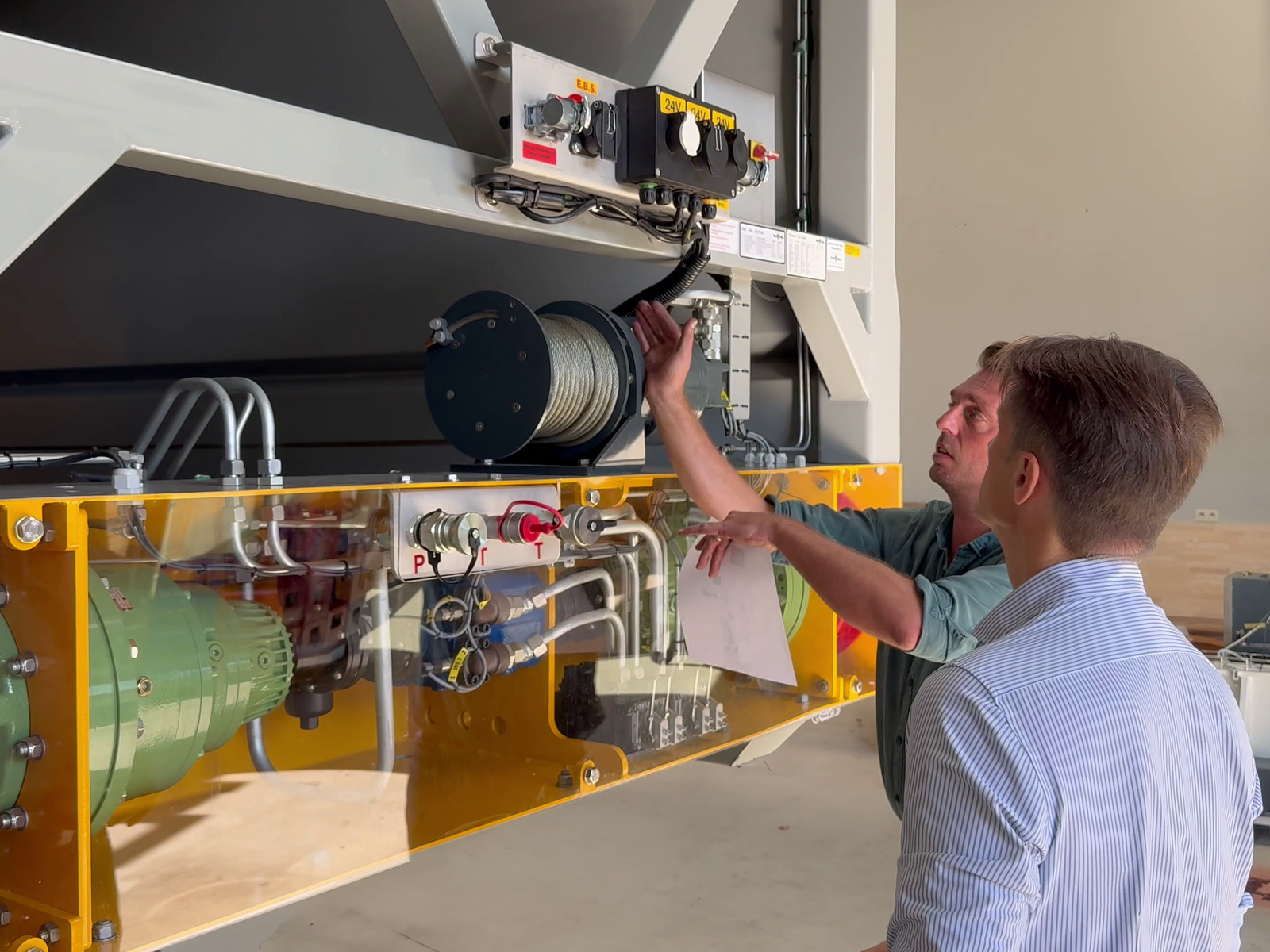
Delto PullHow do you unload a truck without ever tipping it?
Read This Success StoryPRODUCTION TECHNOLOGY
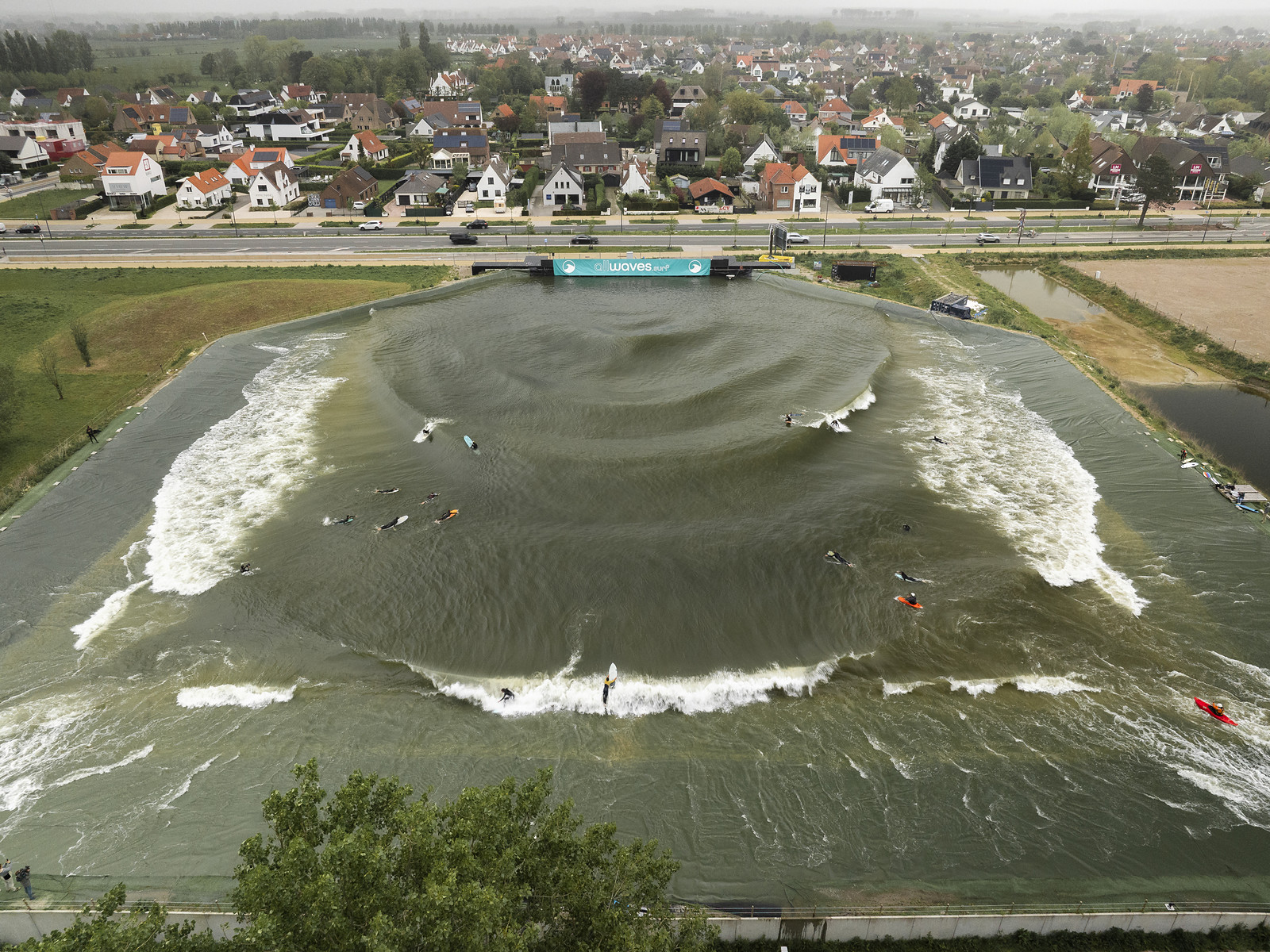
AllwavesManufacturer of wave pools A wave pool that creates ocean-quality surf waves
Read This Success StoryPRODUCTION TECHNOLOGY
Verlicht V-bordHow do you light up a real estate sign at night too?
Read This Success StoryPRODUCTION TECHNOLOGY

Benchmark TelecomTelecom solutions provider Retrofit of a telecom mast
Read This Success StoryPRODUCTION TECHNOLOGY

KU LeuvenThe Motor Control Playground: From Simulink to Real-Time PWM
Read This Success StoryPRODUCTION TECHNOLOGY

KU LeuvenThe Spindle Listener: Making spindle wear visible
Read This Success StoryPRODUCTION TECHNOLOGY

VIASBreath of Certainty: How simulation shaped the future of breath alcohol devices validation
Read This Success StoryPRODUCTION TECHNOLOGY

Warehouse Automation"How Simulation Drove the Battery Design and Charging Strategy for an AGV"
Read This Success Story