Long story short
Most academic motor labs work either purely with simulation, or with closed, commercial motor drives that students can’t adapt or understand from the inside. To really learn how to control a motor, you need to see and adapt every layer of that control yourself, not just adjust a few settings. Behind every movement is electronics that constantly adjust. Students do not just want to see that control on paper, they want to experience it themselves. KU Leuven’s M-Group research team wanted to make exactly that possible.


What does this mean for you?
Do you want people to genuinely understand how a system works internally, instead of only steering its behavior through a handful of adjustable settings? CTRL engineering builds platforms with transparency across every control layer, from the first design to the final drive.
The challenge
Concretely, that transparency had to run from PWM generation all the way to torque control, so students could develop hands-on control algorithms themselves, instead of working with a closed system where they can only adjust parameters.
Our approach
CTRL engineering designed the complete electrical system and built a platform that lets students and researchers see, adapt, and test every layer of motor control themselves, from the first control logic to the final drive of the motor. A motor stops being a black box and becomes a system you learn to understand step by step.
“Working with CTRL engineering gave us a robust platform to bridge research and industrial practice.”
The result
Students and researchers can now develop their own control algorithms in Simulink, deploy them to the hardware in real time, and immediately validate them against the motor’s actual response. The platform supports FOC, DTC, sensorless estimation, and research into coordinating multiple motors at once, with a modular design that allows for future extensions.
PRODUCTION TECHNOLOGY
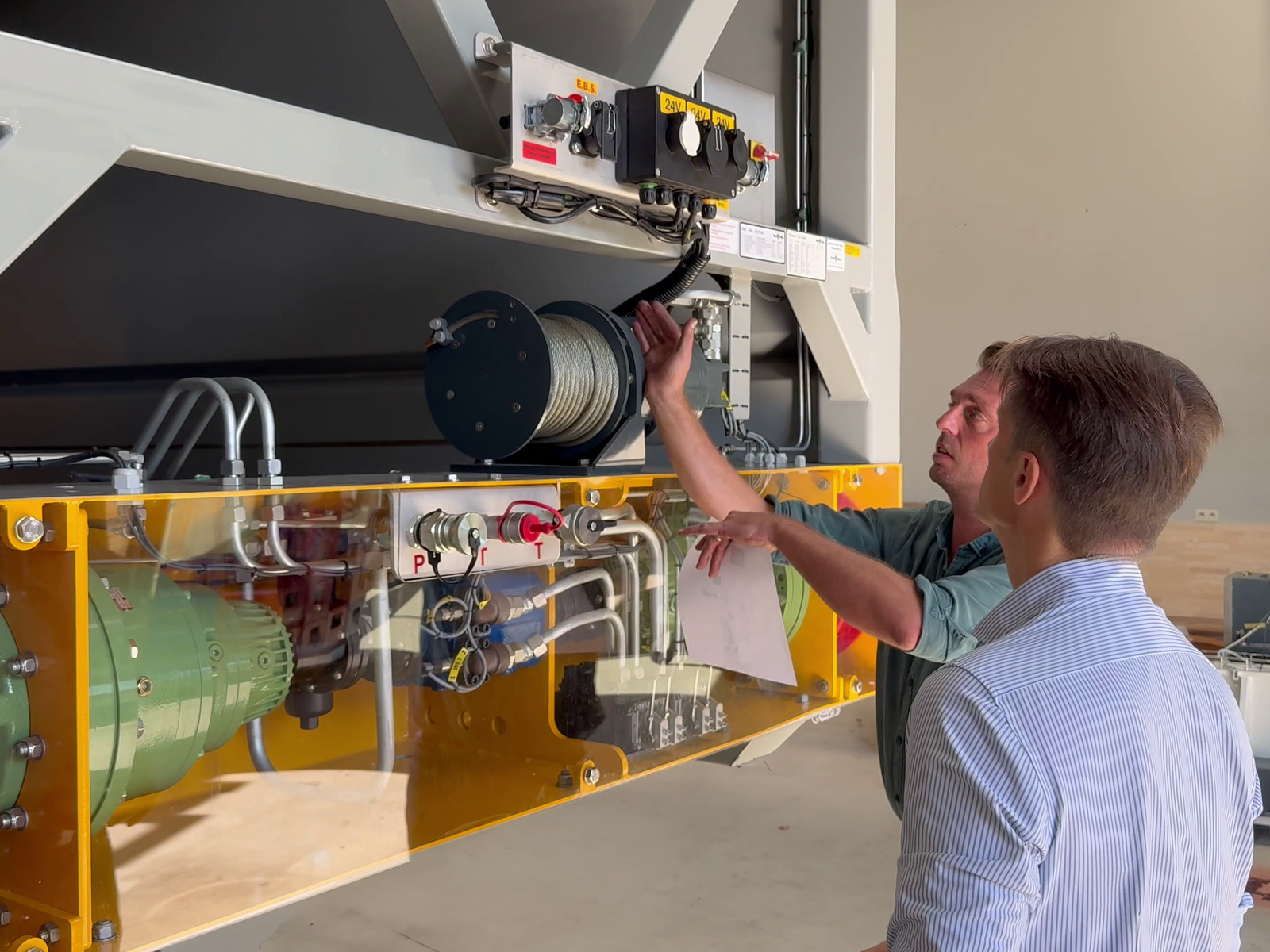
Delto PullHow do you unload a truck without ever tipping it?
Read This Success StoryPRODUCTION TECHNOLOGY
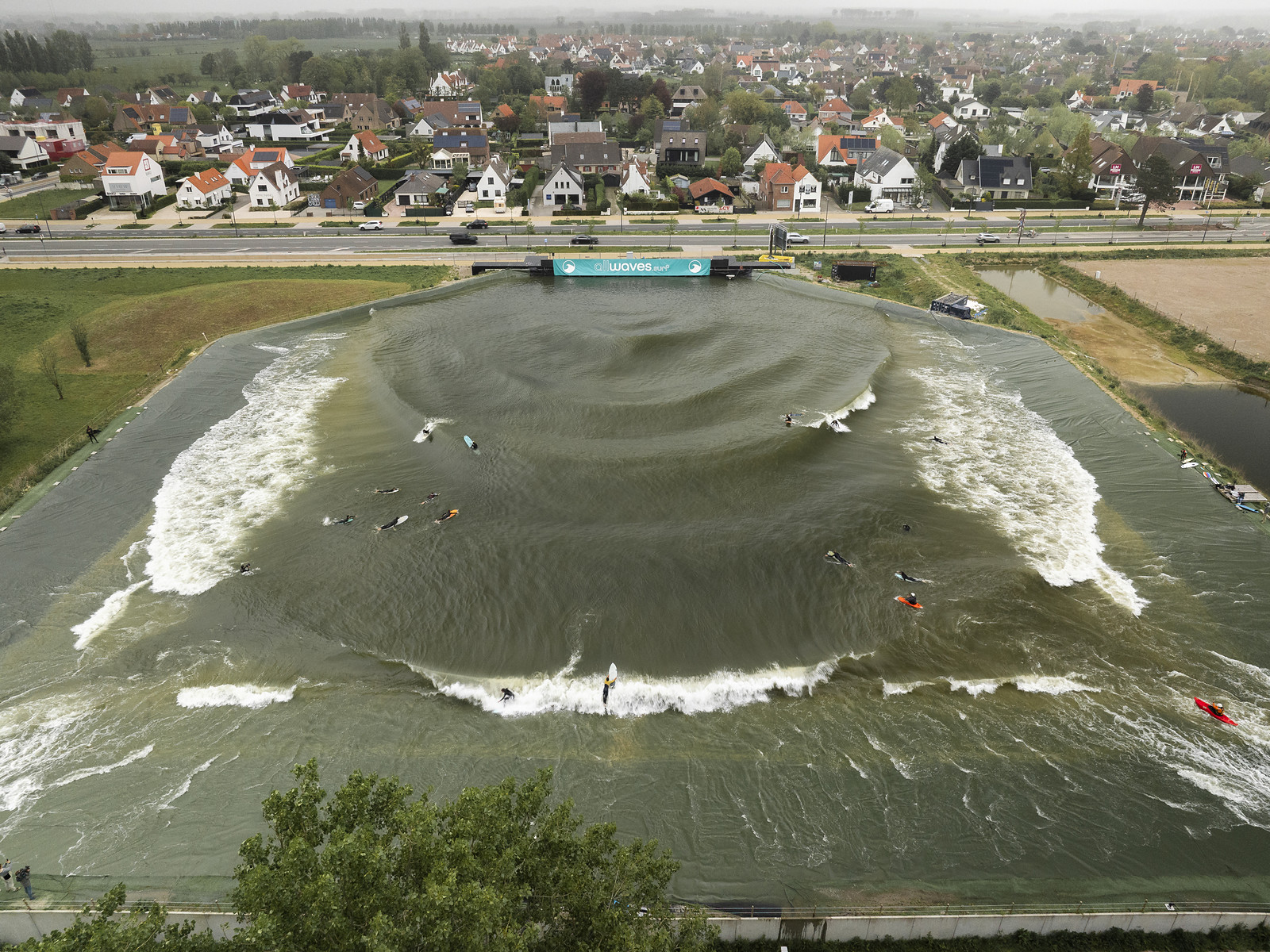
AllwavesManufacturer of wave pools A wave pool that creates ocean-quality surf waves
Read This Success StoryPRODUCTION TECHNOLOGY
Verlicht V-bordHow do you light up a real estate sign at night too?
Read This Success StoryPRODUCTION TECHNOLOGY

Benchmark TelecomTelecom solutions provider Retrofit of a telecom mast
Read This Success StoryPRODUCTION TECHNOLOGY

KU LeuvenThe Spindle Listener: Making spindle wear visible
Read This Success StoryPRODUCTION TECHNOLOGY

VIASBreath of Certainty: How simulation shaped the future of breath alcohol devices validation
Read This Success StoryPRODUCTION TECHNOLOGY

Warehouse Automation"How Simulation Drove the Battery Design and Charging Strategy for an AGV"
Read This Success StoryPRODUCTION TECHNOLOGY

Green Energy"Engineering the Wind: Simulating Smarter Small Turbines"
Read This Success Story