Long story short
Every device with a battery faces the same dilemma: too small, and it dies halfway through the day; too large, and it no longer fits the design or costs more than it needs to. That battery is also never on its own: it has to work perfectly with the motor, the controls, and every other system around it. Knowing which battery you need, and how it relates to the rest of the device, before you build anything, saves months of costly adjustments later on. A manufacturer of an autonomous shuttle vehicle for warehouse racking faced exactly that dilemma.


What does this mean for you?
Do you face a similar dilemma between battery size, charging time, and heat dissipation, before building anything physical? CTRL engineering builds digital twins of motor, battery, and controls together, so that choice gets validated before a prototype is built.
The challenge
The battery couldn’t be oversized due to limited space, charging had to be fast enough within the available time, and heat dissipation was limited by the airflow inside the vehicle. The team needed to validate whether their energy architecture could sustain a full day shift, with varying loads and many start-stop cycles, without intermediate charging.
Our approach
CTRL engineering built a complete digital model of the robot’s motor, battery, and controls, and used it to simulate a full working day: varying loads, plenty of start-stop movements, all included. This let the team virtually test which battery size and charging schedule would get a full shift done, before a single physical vehicle was built.
“You don't need a prototype to know if your battery strategy works. With a good model, you can test everything from charging time to layout fit, on your laptop.”
The result
An optimal combination of battery size and charging strategy that fits within the physical form factor, plus confirmation that the shuttle can complete a full shift without intermediate charging, and a reusable simulation tool for testing future variants.

PRODUCTION TECHNOLOGY
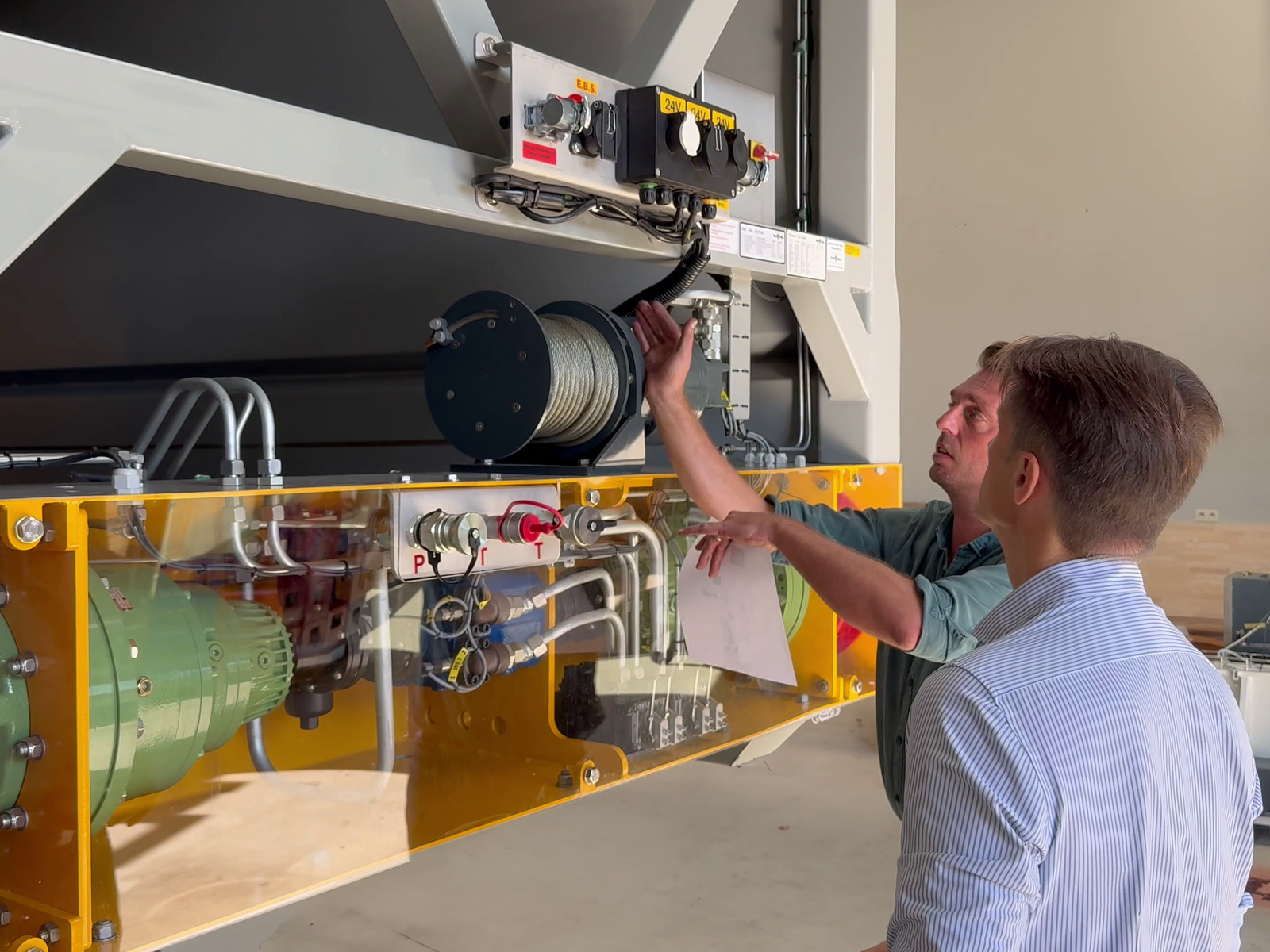
Delto PullHow do you unload a truck without ever tipping it?
Read This Success StoryPRODUCTION TECHNOLOGY
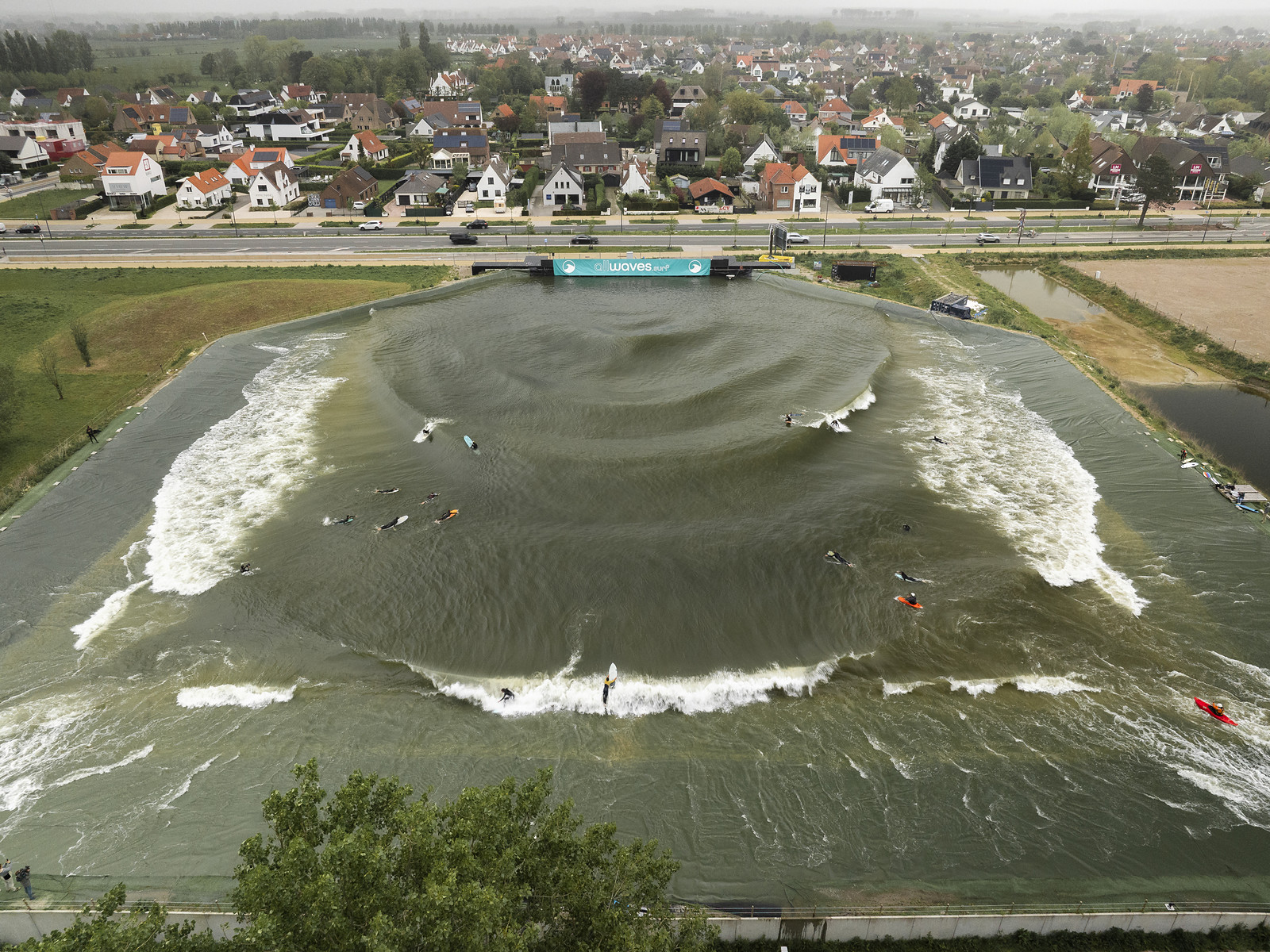
AllwavesManufacturer of wave pools A wave pool that creates ocean-quality surf waves
Read This Success StoryPRODUCTION TECHNOLOGY
Verlicht V-bordHow do you light up a real estate sign at night too?
Read This Success StoryPRODUCTION TECHNOLOGY

Benchmark TelecomTelecom solutions provider Retrofit of a telecom mast
Read This Success StoryPRODUCTION TECHNOLOGY

KU LeuvenThe Motor Control Playground: From Simulink to Real-Time PWM
Read This Success StoryPRODUCTION TECHNOLOGY

KU LeuvenThe Spindle Listener: Making spindle wear visible
Read This Success StoryPRODUCTION TECHNOLOGY

VIASBreath of Certainty: How simulation shaped the future of breath alcohol devices validation
Read This Success StoryPRODUCTION TECHNOLOGY

Green Energy"Engineering the Wind: Simulating Smarter Small Turbines"
Read This Success Story