Long story short
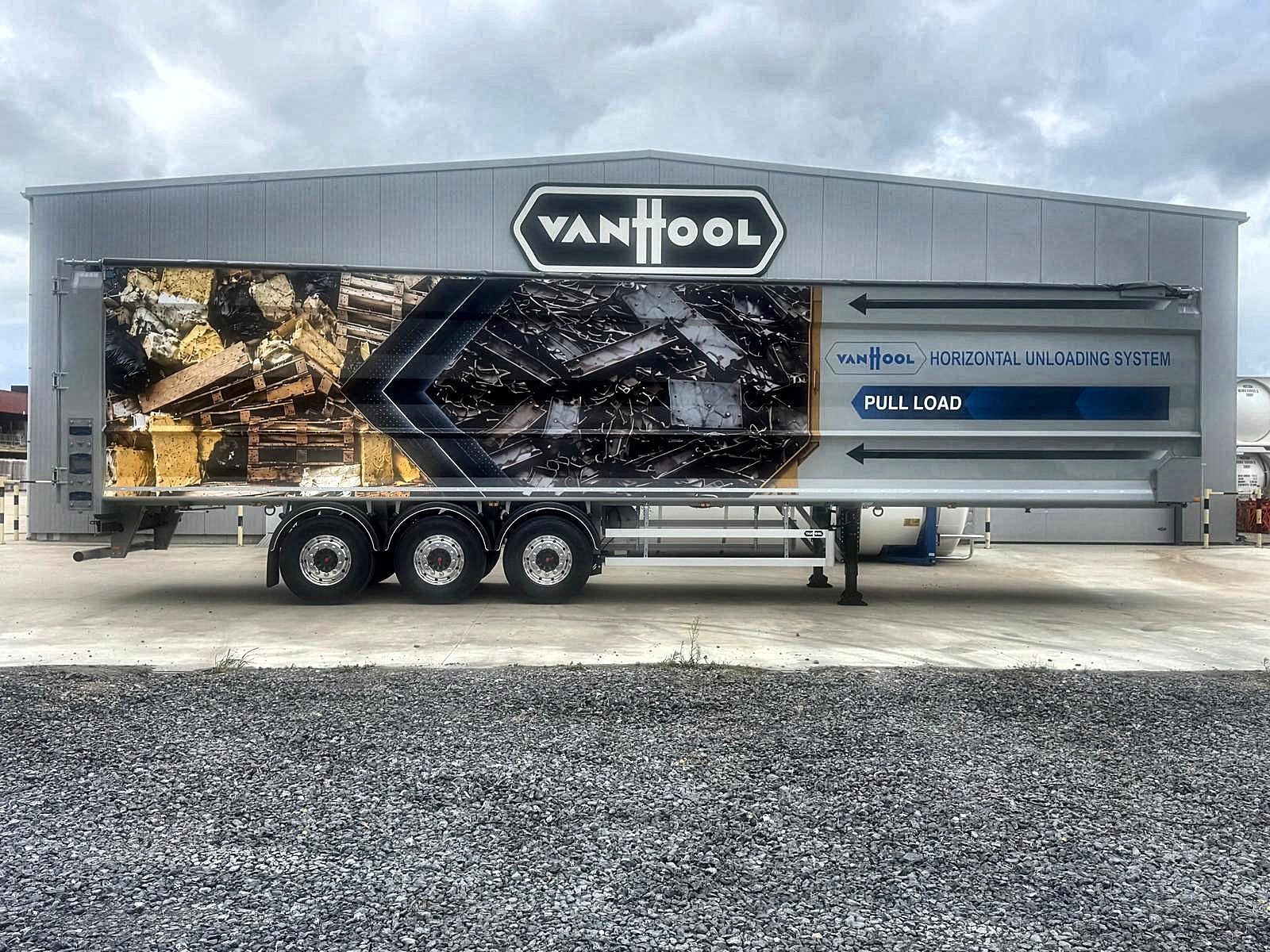
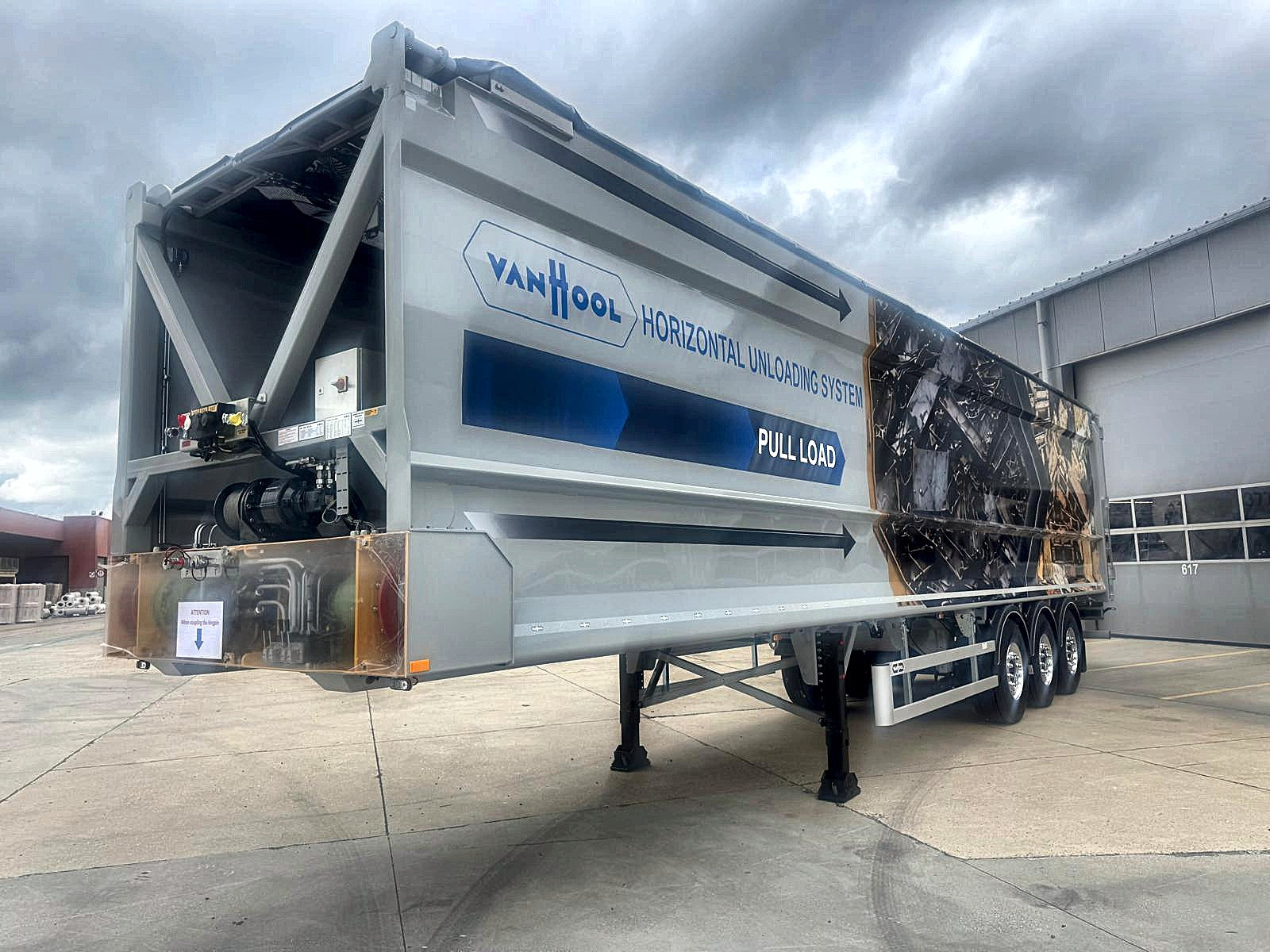
Sand, soil, construction waste, scrap metal: unloading bulk material today is usually done with a tipping bed that lifts the load bed until the cargo slides out. That works, but not everywhere, and not without risk. Think of a building site under a row of trees, a warehouse with a low roof or a slope where a tipping trailer simply does not fit. Anyone who still has to unload there must choose between a detour, lost time or a risk. For carriers and contractors, that is a trade-off every time. With the Pulload trailer, Delto Pull developed an alternative that never tips at all.

What does this mean for you?
Are you looking for people who can help take a project from paper to reality, with a feel for systems engineering and the skill to turn mechanical challenges into a working whole? That is exactly the kind of work CTRL engineering did for Delto Pull: from the first concept to production drawings with the correct tolerances, ready for manufacturing.
The challenge
A tipping bed needs at least 10 metres of clear height to tip, which makes unloading under trees, inside a warehouse or on a slope impossible, and creates a real tipping risk with every unload. A classic chassis also brings a higher centre of gravity and more tyre wear. Delto Pull wanted a trailer that could unload anywhere, quickly and safely, without ever tipping.
Our approach
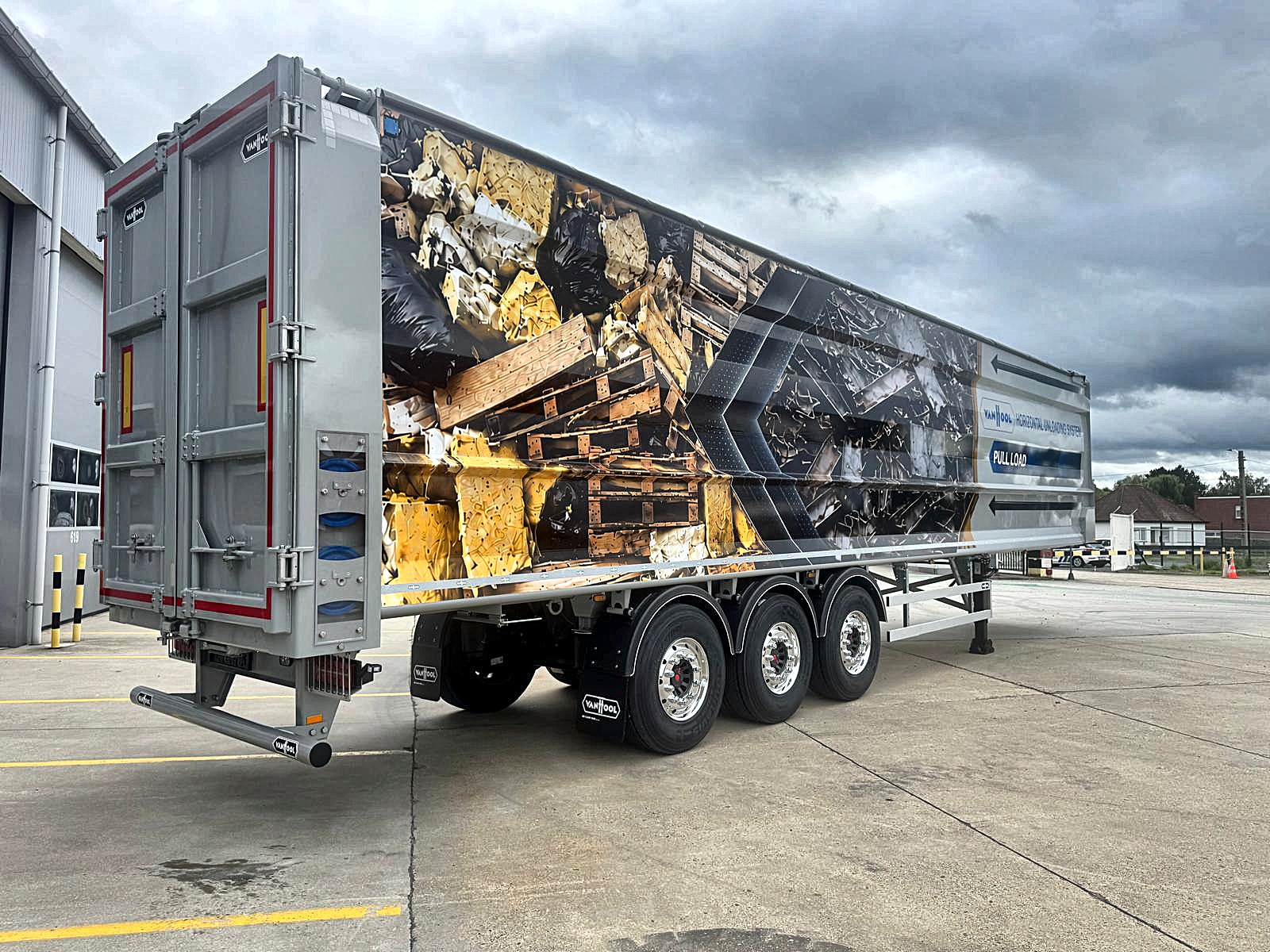
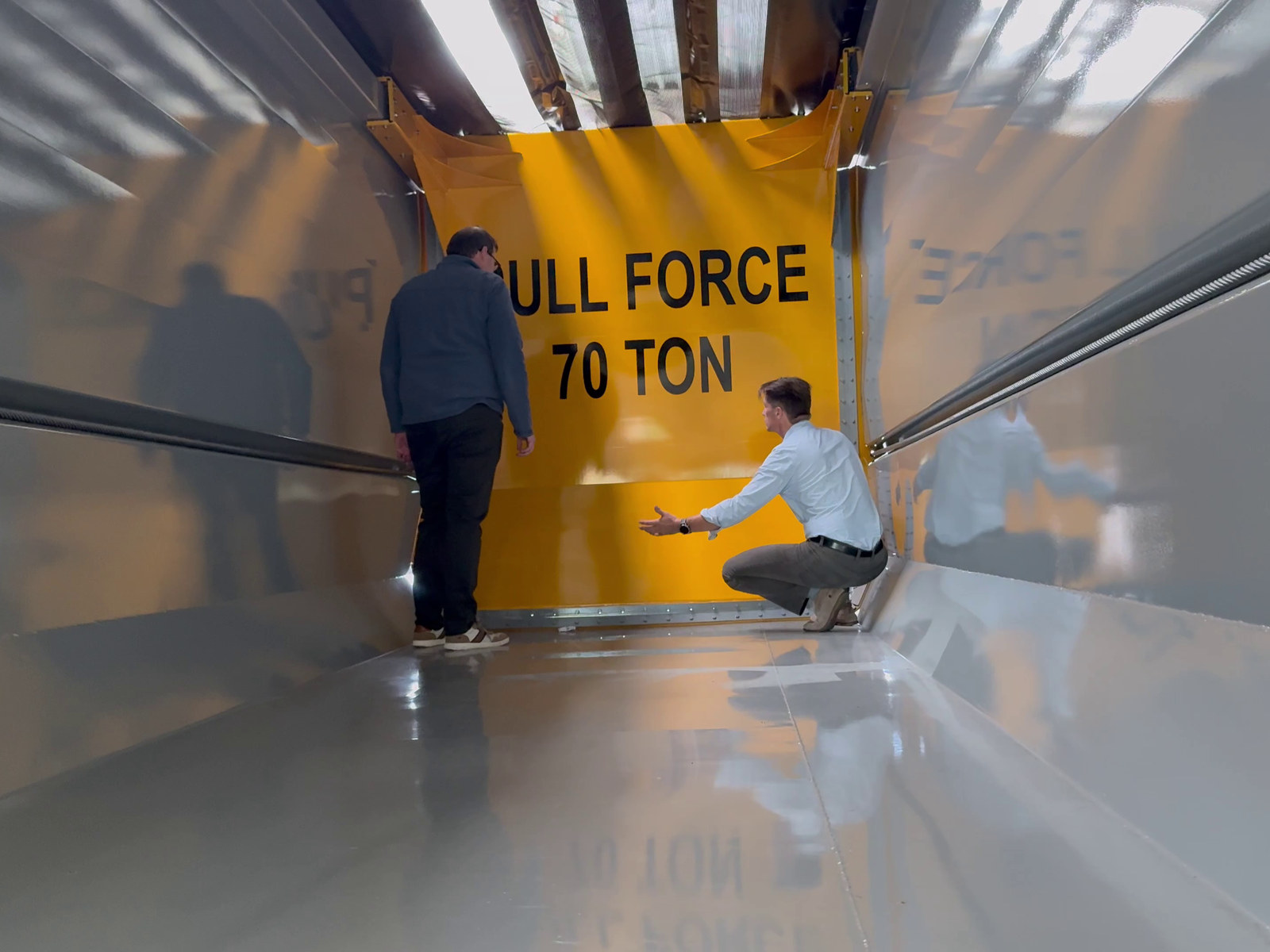
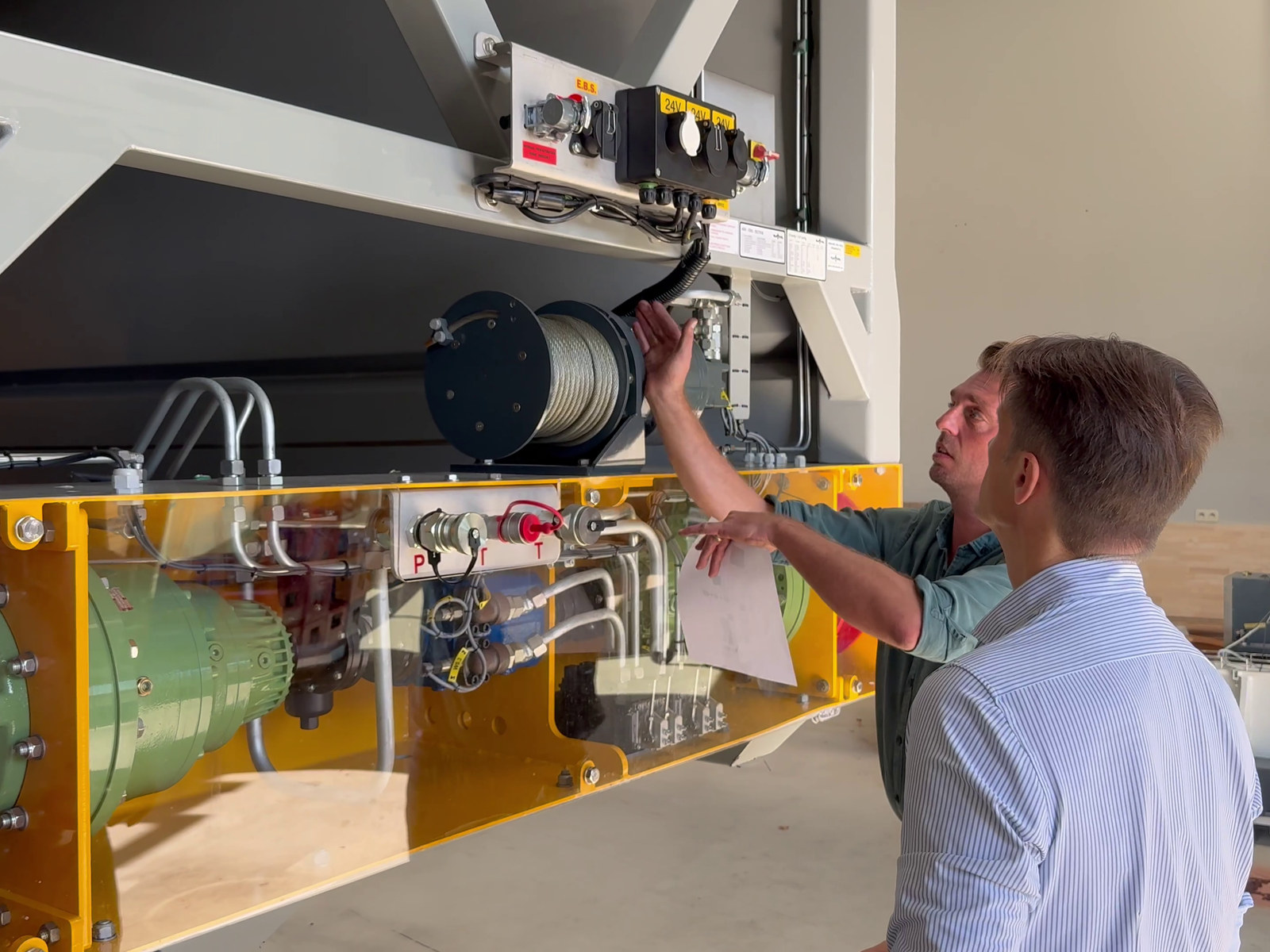
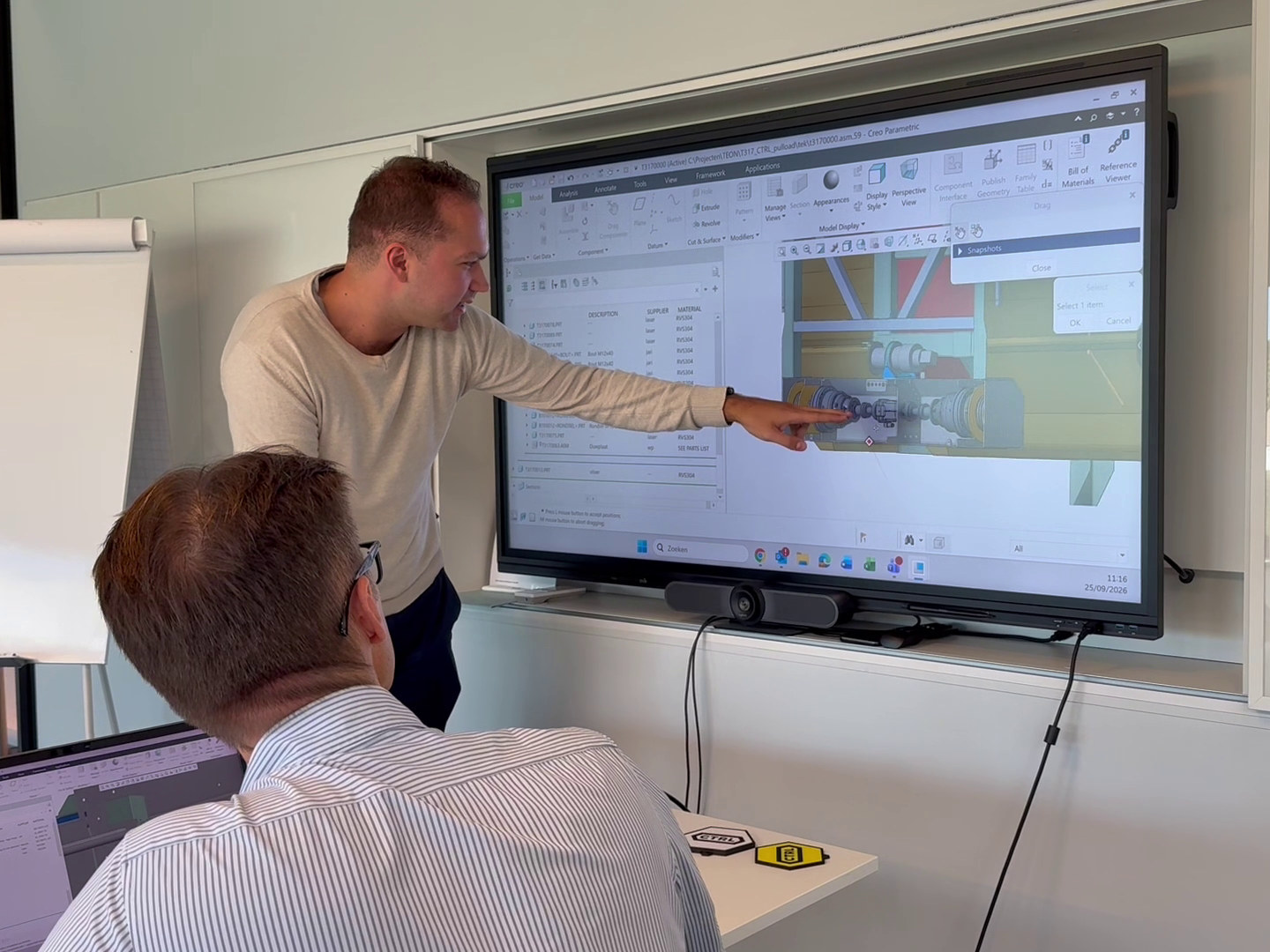
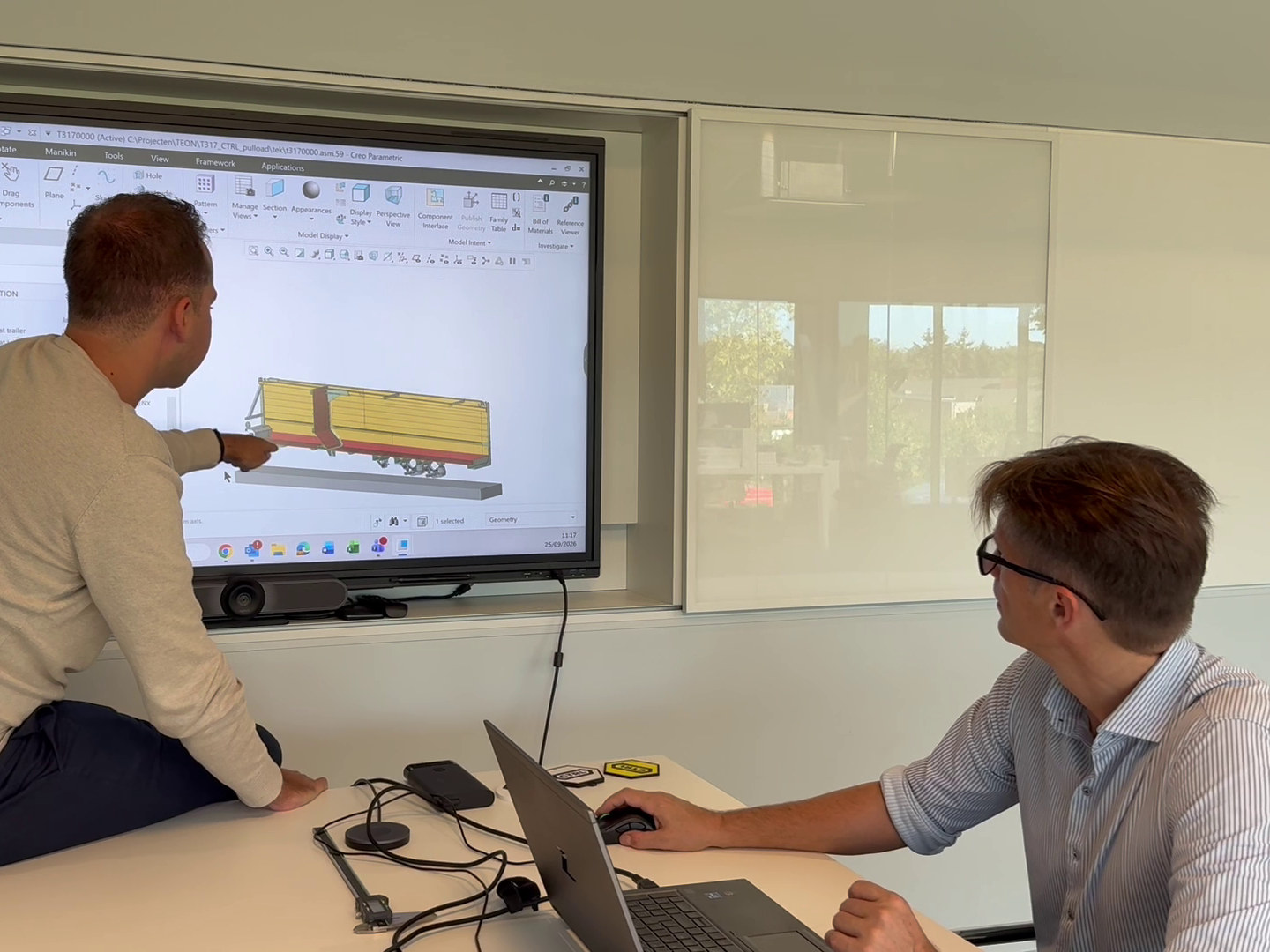
CTRL engineering handled the mechanical design of the structure and the sheet-metal parts of the Pulload trailer, and worked out the production drawings with the correct tolerances for manufacturing. Two self-supporting omega profiles form the load-bearing structure of the load bed, giving a lower centre of gravity and more load volume than a classic trailer. At the front, a shield pushes the load out horizontally, instead of tipping the bed.
“A trailer that never tips over sounds simple, until you realise how much has to come together in that structure and those sheet-metal parts.”
The result
Unloading in 2 minutes, in any situation: under trees, inside a warehouse, on a slope. No more tipping risk, up to 20% less tyre wear, a low-maintenance system without lubrication points, and thanks to the lower own weight and lower centre of gravity, a higher useful tonnage than a classic tipper at the same total weight: a tipper needs a heavier chassis, which comes at the expense of useful payload at the same permitted total weight.
PRODUCTION TECHNOLOGY

AllwavesManufacturer of wave pools A wave pool that creates ocean-quality surf waves
Read This Success StoryPRODUCTION TECHNOLOGY
Verlicht V-bordHow do you light up a real estate sign at night too?
Read This Success StoryPRODUCTION TECHNOLOGY

Benchmark TelecomTelecom solutions provider Retrofit of a telecom mast
Read This Success StoryPRODUCTION TECHNOLOGY

KU LeuvenThe Motor Control Playground: From Simulink to Real-Time PWM
Read This Success StoryPRODUCTION TECHNOLOGY

KU LeuvenThe Spindle Listener: Making spindle wear visible
Read This Success StoryPRODUCTION TECHNOLOGY

VIASBreath of Certainty: How simulation shaped the future of breath alcohol devices validation
Read This Success StoryPRODUCTION TECHNOLOGY

Warehouse Automation"How Simulation Drove the Battery Design and Charging Strategy for an AGV"
Read This Success StoryPRODUCTION TECHNOLOGY

Green Energy"Engineering the Wind: Simulating Smarter Small Turbines"
Read This Success Story