Long story short
A machine that suddenly breaks down costs time and money, and yet, most of the time, no one sees it coming. Early signs of wear in rotating parts and linear drives often stay hidden until the part actually fails. Many companies therefore replace parts on a fixed schedule, even when they still work perfectly well. Or they wait until something breaks. It is better to know when a part truly needs replacing, and so to spot wear before it becomes visible. KU Leuven’s M-Group research team wanted to change that.


What does this mean for you?
Would you rather see a failure coming than be caught off guard by it? CTRL engineering builds test setups that reliably measure early signals such as vibration and motor current and link them to wear, as a foundation for predictive maintenance.
The challenge
Can you ‘hear’ that early wear in measurable signals such as vibration and motor current, as a basis for predictive maintenance? That required a test setup that could accurately measure and repeat such signals under controlled conditions.
Our approach
CTRL engineering built a fully integrated test setup that can mimic and measure the movement of rotating parts down to the smallest detail. Every movement cycle is repeatable and continuously logged, motor current and vibration together, so researchers can link early signs of wear to measurable signals, well before a part actually fails.
“Working with CTRL engineering gave us a robust platform to bridge research and industrial practice.”
The result
Researchers now have repeatable movement cycles with continuous measurement of motor current and vibration, letting them build validated datasets that link deviations to wear: a foundation for future predictive maintenance.

PRODUCTION TECHNOLOGY
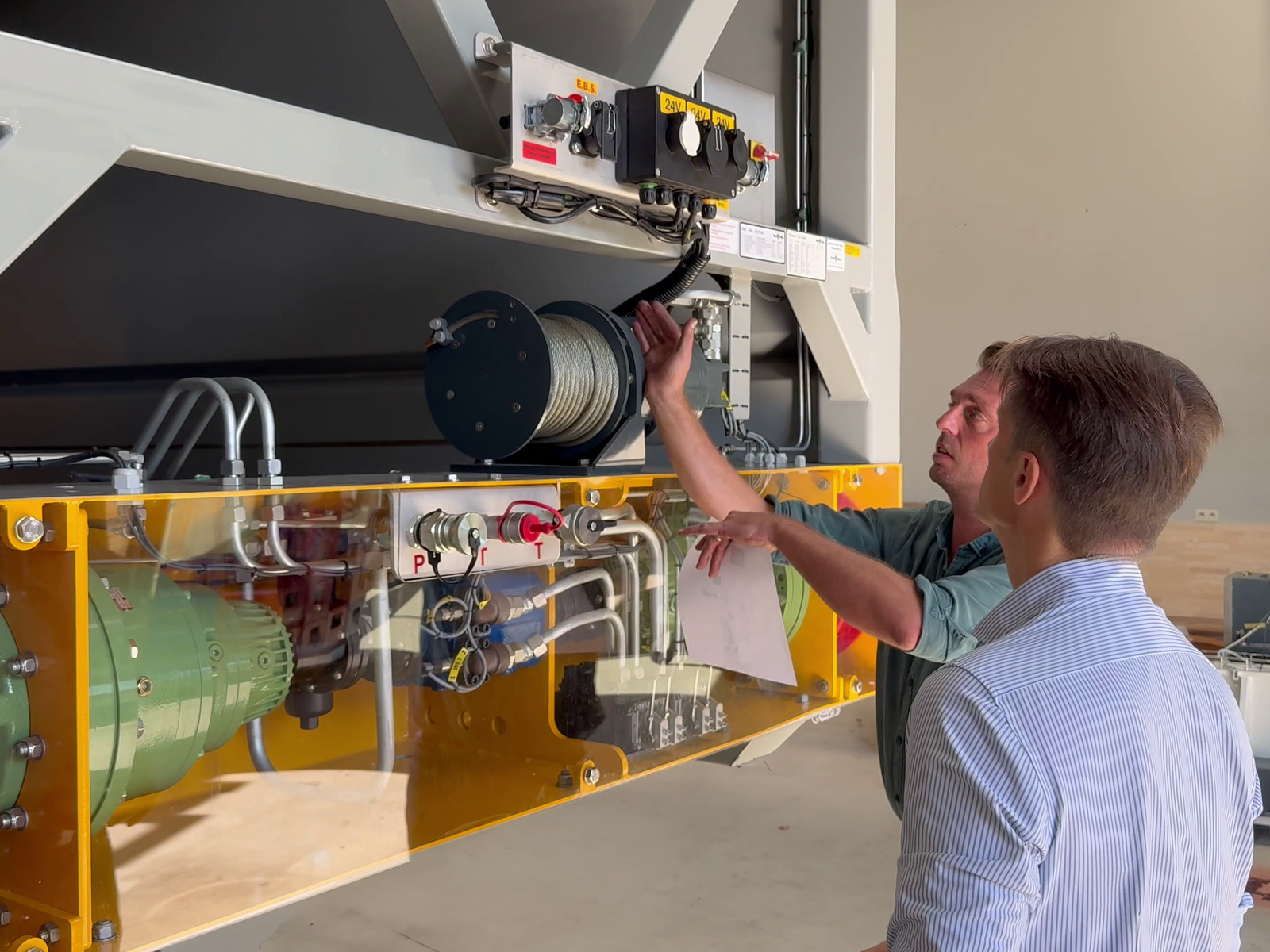
Delto PullHow do you unload a truck without ever tipping it?
Read This Success StoryPRODUCTION TECHNOLOGY
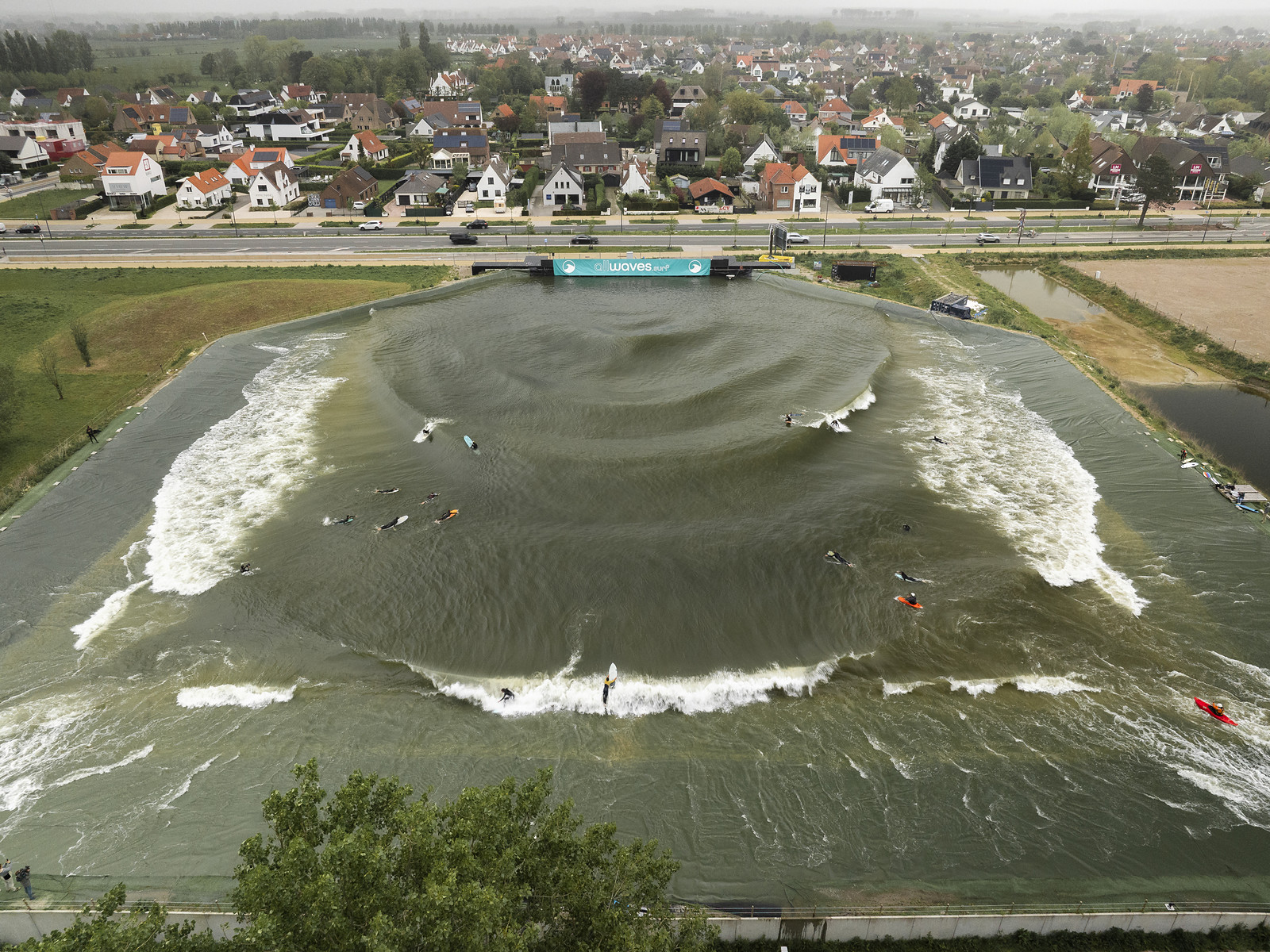
AllwavesManufacturer of wave pools A wave pool that creates ocean-quality surf waves
Read This Success StoryPRODUCTION TECHNOLOGY
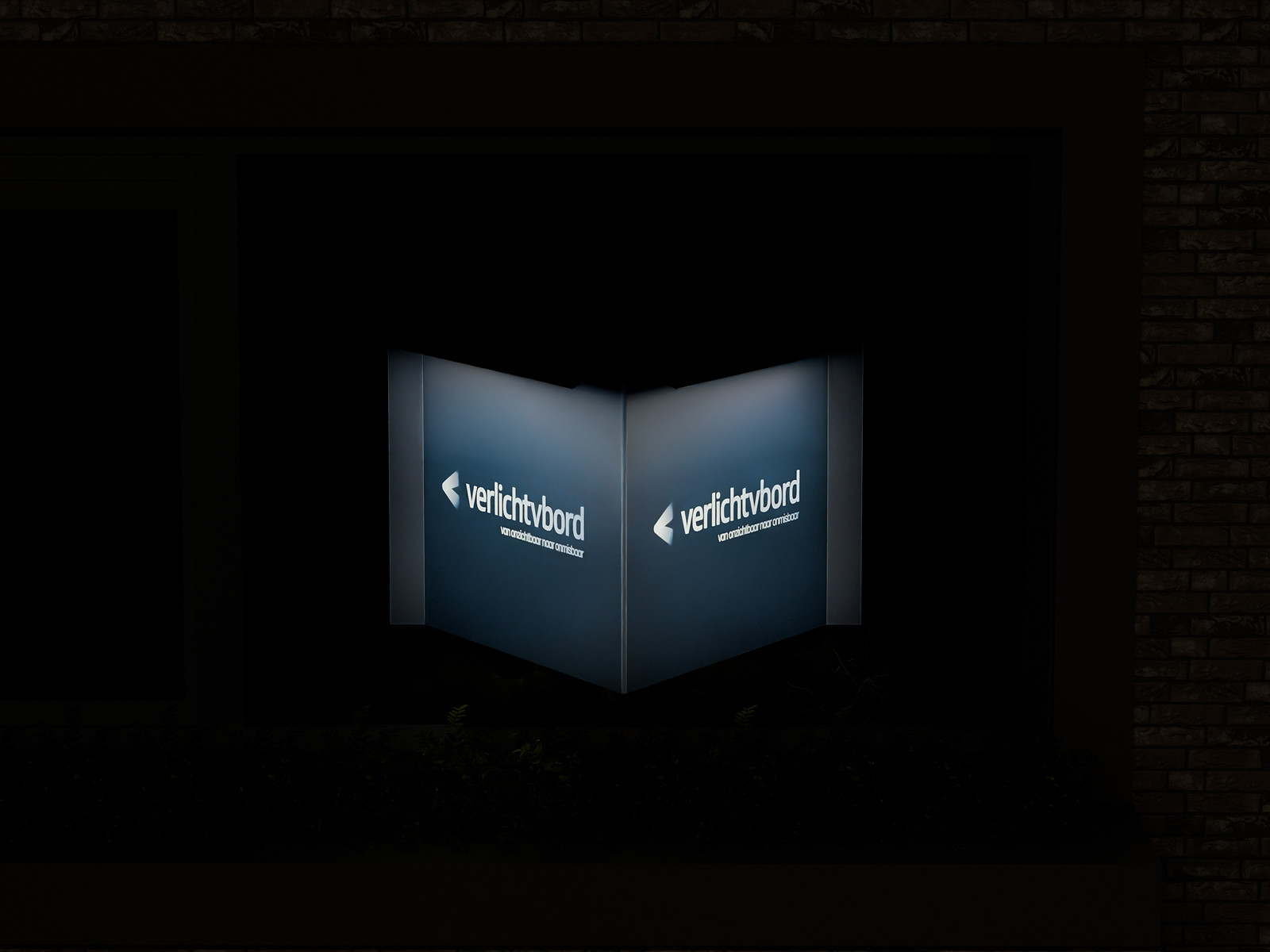
Verlicht V-bordHow do you light up a real estate sign at night too?
Read This Success StoryPRODUCTION TECHNOLOGY

Benchmark TelecomTelecom solutions provider Retrofit of a telecom mast
Read This Success StoryPRODUCTION TECHNOLOGY

KU LeuvenThe Motor Control Playground: From Simulink to Real-Time PWM
Read This Success StoryPRODUCTION TECHNOLOGY

VIASBreath of Certainty: How simulation shaped the future of breath alcohol devices validation
Read This Success StoryPRODUCTION TECHNOLOGY

Warehouse Automation"How Simulation Drove the Battery Design and Charging Strategy for an AGV"
Read This Success StoryPRODUCTION TECHNOLOGY

Green Energy"Engineering the Wind: Simulating Smarter Small Turbines"
Read This Success Story