Long story short
Buy a pack of liquid detergent or a bottle of shampoo, and you expect it to always be filled to the same volume, with the cap sealed tightly enough that nothing leaks along the way. A detail you never think about, until the one time it goes wrong: a bottle that turns out slightly underfilled, or a cap that comes loose in your shopping bag. Scaldopack, which builds spout-pouch packaging machines for exactly this kind of packaging, knows better than anyone how costly that kind of mistake can become at scale. One such mistake barely stands out, but on a production line it repeats itself fast.


What does this mean for you?
Do you only notice, after the fact, that something is going wrong in a process that repeats itself hundreds of times an hour? CTRL engineering builds automatic deviation detection into existing controls, so a fault gets caught before the customer ever notices it.
The challenge
These machines fill and seal this type of packaging at high speed and at large scale. Any deviation in fill level, or a cap that doesn’t click shut properly, can repeat itself thousands of times before anyone notices. Scaldopack wanted to modernise the control of these machines: reliable enough to detect and catch that kind of deviation itself, without a technician having to step in every time.
Our approach
CTRL engineering rewrote the control software of the packaging line, with automatic monitoring of fill level and closure on every single package. When a bottle is underfilled or a cap isn’t properly closed, the system detects it itself and intervenes immediately, without having to stop the entire line. Operation was also made clearer, with separate access levels for operators, maintenance technicians and super users.
“Seamless flow, flawless pouches, that's the CTRL engineering effect at Scaldopack.”
The result
Higher production speeds than were previously possible, less downtime, and far less dependence on a technician whenever something goes wrong. Fill level and closure are now monitored automatically instead of checked after the fact, which greatly reduces the chance of a half-filled bottle or a leaking cap reaching the consumer.

PRODUCTION TECHNOLOGY
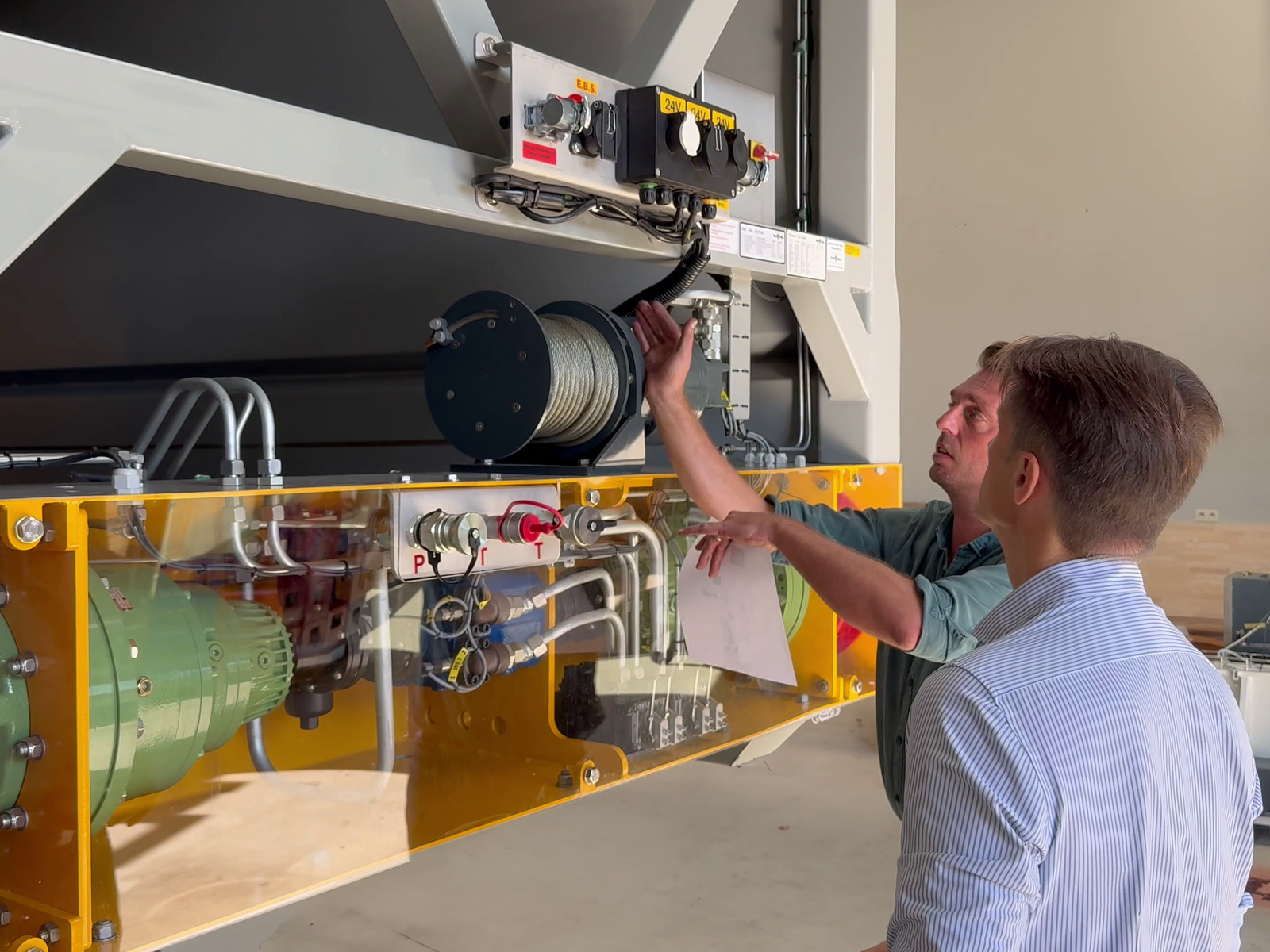
Delto PullHow do you unload a truck without ever tipping it?
Read This Success StoryPRODUCTION TECHNOLOGY

AllwavesManufacturer of wave pools A wave pool that creates ocean-quality surf waves
Read This Success StoryPRODUCTION TECHNOLOGY

Verlicht V-bordHow do you light up a real estate sign at night too?
Read This Success StoryPRODUCTION TECHNOLOGY

Benchmark TelecomTelecom solutions provider Retrofit of a telecom mast
Read This Success StoryPRODUCTION TECHNOLOGY

KU LeuvenThe Motor Control Playground: From Simulink to Real-Time PWM
Read This Success StoryPRODUCTION TECHNOLOGY

KU LeuvenThe Spindle Listener: Making spindle wear visible
Read This Success StoryPRODUCTION TECHNOLOGY

VIASBreath of Certainty: How simulation shaped the future of breath alcohol devices validation
Read This Success StoryPRODUCTION TECHNOLOGY

Warehouse Automation"How Simulation Drove the Battery Design and Charging Strategy for an AGV"
Read This Success Story